Plan Over Hype

Chandan Singh
| 05-12-2025
 · News team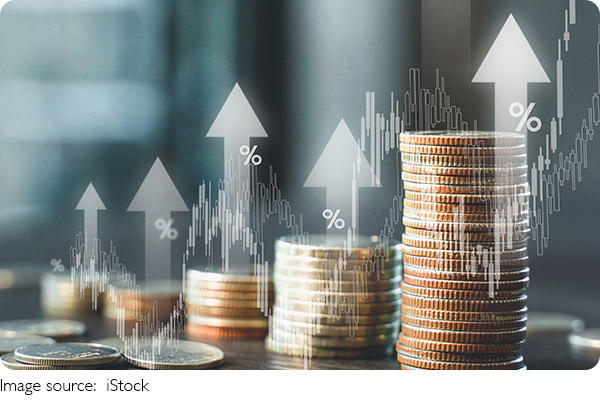
Hey Lykkers, We've all seen those images, haven't we? The bright green chart skyrocketing toward the top of the screen, shiny gold coins stacked neatly beside it, everything screaming "Boom!" and "Growth!"
It's enough to make anyone feel a rush of FOMO. The message is simple: the market's hot, it's time to get in, and wealth is just a click away.
But let's hit pause for a second. Between the gleaming coins and the bold headlines, what's the real story? A rising chart is exciting, but it’s also a Rorschach test. An optimist sees a path to riches; a seasoned investor sees a landscape filled with both opportunity and risk.
Today, let's move beyond the symbol and talk about what "investing wisely" actually looks like when everyone is shouting about a boom.
The Siren Song of the Boom
First, let's acknowledge the feeling. A booming market is energizing. Portfolio values go up, confidence soars, and financial news becomes a source of excitement rather than dread. This optimism is natural, but it's also a signal to engage your brain, not just your emotions.
As legendary investor Warren Buffett famously advises, "Be fearful when others are greedy, and greedy when others are fearful" (Berkshire Hathaway Annual Shareholder Letters). A boom is, by definition, a time when others are greedy. This doesn’t mean you should run for the hills, but it does mean you should double-check your map.
What "Invest Wisely" Really Means in a Hot Market
"Investing wisely" during a boom isn't about chasing the hottest stock of the day. It's about sticking to principles that work in any season. Think of it as the difference between surfing a wave and getting crushed by it.
1. Check Your Foundation, Not Just the Decor.
Before you add new money, look at what you already have. Is your portfolio still aligned with your long-term goals? A booming market can distort your asset allocation. For example, if your stocks have grown dramatically, they may now represent a much larger percentage of your portfolio than you intended, unknowingly increasing your risk.
Wise investing often means rebalancing—trimming some of the winners and buying more of the laggards to get back to your original, planned mix.
2. Define "Rich" on Your Own Terms.
The chart points up, but what's your personal finish line? "Growing rich" is a vague slogan. Getting specific is powerful. Does "rich" mean a down payment for a home in five years? A fully funded retirement at 60? A child's college tuition? Your strategy changes completely based on the answer.
3. The Most Powerful Word: Diversification.
It's the classic, unsexy advice that never fails. A booming market often feels like it's being led by one or two sectors (think tech in the late 90s or 2020s). Pouring all your money into that single theme isn't investing; it's speculating.
True wisdom is owning a broad mix of assets—domestic stocks, international stocks, bonds, real estate—so that no single market event can derail you.
4. Tune Out the Noise, Turn Up the Plan.
A market boom generates maximum noise: new tips, can't-miss trends, and stories of overnight success. This is the time to deliberately lower your information intake. Stick to your pre-defined investment plan—whether that's regular contributions to a broad-market index fund or a balanced portfolio you've set with an advisor.

Beyond the Chart
So, Lykkers, the next time you see that gleaming chart surrounded by coins, see it for what it is: a symbol of potential, not a promise. A wise investor doesn't just see the boom; they see the entire cycle. They use the good times to build discipline, not just dreams.
They understand that the real growth happens not in the frenzy of a boom, but in the quiet, steady commitment to a plan that lasts through booms, busts, and everything in between.
The market will have its ups and downs. Your job isn't to predict them, but to be prepared for both. Now that's a strategy worthy of a golden coin.