Gold Jewelry's Value

Luca
| 21-11-2026
 · News team
Gold jewellery has traditionally been valued for its appearance, craftsmanship, and precious-metal content. As gold prices increase, some buyers also consider necklaces, rings, and bracelets as potential additions to their investment holdings.
Unlike gold bullion and coins, jewellery offers something beyond metal ownership: the opportunity to wear and enjoy an asset while retaining some underlying material value.
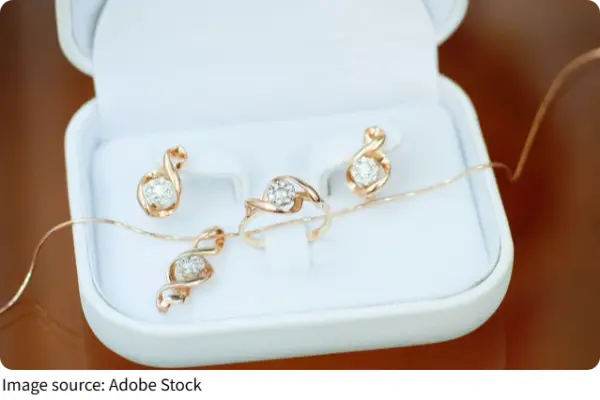
Gold Jewellery Can Have Value Beyond Its Metal Content
Gold jewellery can offer investment potential when purchased at a reasonable price. Matt Harris, a consignment jewellery and gemstone expert at Curated Fine Jewelry, recommends looking for relatively simple gold pieces, including chains, rings, and bracelets, through consignment shops and private marketplaces.
Pre-owned jewellery can sometimes be available at prices only slightly above the current spot price of gold. This can make it more attractive than newly manufactured pieces carrying substantial retail premiums. Jewellery can also possess value beyond the amount of gold it contains. Design, craftsmanship, and the reputation of a manufacturer may influence its market appeal.
Retail Markups Can Make Jewellery Expensive
One of the main disadvantages of purchasing gold jewellery as an investment is the difference between its manufacturing cost and retail price. Matt Harris notes that retail stores commonly mark up gold pieces by approximately 100% over wholesale costs. Such a premium creates a significant financial hurdle because the underlying gold price would need to increase substantially before the original purchase expense could be recovered.
Selling the jewellery can create another challenge. Businesses that purchase unwanted gold commonly offer around 30% to 50% below its spot value. This discount reflects the costs associated with processing and refining the material, as well as the buyer's operating expenses and profit margin.
Five Characteristics to Consider Before Buying
Several factors can help determine whether a particular piece has stronger potential to retain its value.
1. Higher gold purity
Gold purity is one of the most important considerations. Pieces made from 18-karat gold or higher contain a substantial proportion of pure gold. Eighteen-karat gold consists of 75% gold, while higher karat ratings indicate greater gold content.
2. Classic designs and established reputation
Timeless designs can remain desirable beyond short-lived fashion trends. Traditional necklaces, bracelets, and rings may appeal to a broader range of buyers over time. Reputable designers can also contribute to a piece's appeal. However, the additional value associated with a designer name depends on authenticity, condition, and demand in the secondary market.
3. Proper documentation
Certificates and authenticity records help establish a piece's purity and origin. Documentation is especially important for designer jewellery because buyers may need evidence that the item is genuine. Keeping purchase receipts and relevant certificates can also make future valuation and resale transactions easier.
4. Solid construction
The weight and construction of jewellery influence its underlying metal value. Heavier, denser pieces generally contain more gold than delicate items, assuming comparable purity. Since gold is commonly valued by weight, substantial solid-gold jewellery may provide a more direct relationship between its purchase price and its precious-metal content.
5. Clear origins
Traceable jewellery with documented origins can provide greater confidence about authenticity and manufacturing history. This is particularly relevant when purchasing higher-value or designer pieces, where provenance may influence buyer interest.
Other Ways to Invest in Gold
Gold IRAs: These retirement accounts allow eligible investors to hold qualifying precious metals through approved custodians and storage arrangements. Existing retirement savings may be eligible for rollover, subject to applicable requirements.
Gold ETFs and mutual funds: Gold-focused funds provide exposure to gold prices without requiring investors to store physical metal themselves. They can also make it possible to invest smaller amounts.
Physical gold bullion and coins: Bullion provides direct ownership of gold through products purchased from authorized dealers. Secure storage and insurance arrangements remain important considerations.
Precious-metal certificates: Certificates issued by trusted bullion institutions represent ownership of gold without requiring immediate physical possession.
Gold-mining company stocks: Shares in mining businesses provide indirect exposure to gold prices. Their performance also depends on production costs, company operations, and broader stock-market conditions.
Expert Insight
Matt Harris, a consignment jewellery and gemstone expert at Curated Fine Jewelry, summarizes the importance of purchase pricing: “Gold jewelry can be a great investment if you buy it for the right price.”
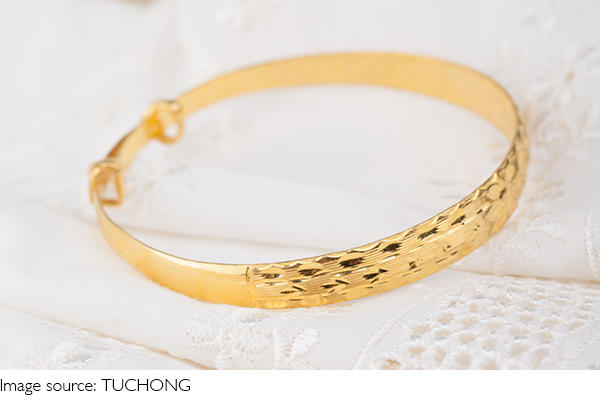
For buyers considering jewellery as part of a broader financial strategy, selecting well-documented pieces at reasonable prices is essential. Gold jewellery may provide both personal enjoyment and lasting material value, but it should be evaluated carefully rather than assumed to be a guaranteed investment.