Market vs Supermarket

Elise
| 21-11-2026
 · News team
Choosing where to buy fresh food involves more than comparing the price displayed on a shelf. Freshness, seasonal availability, growing methods, and the distance food travels can all influence the value of a grocery purchase. Farmers’ markets and supermarkets offer different advantages, and neither is automatically the less expensive option.
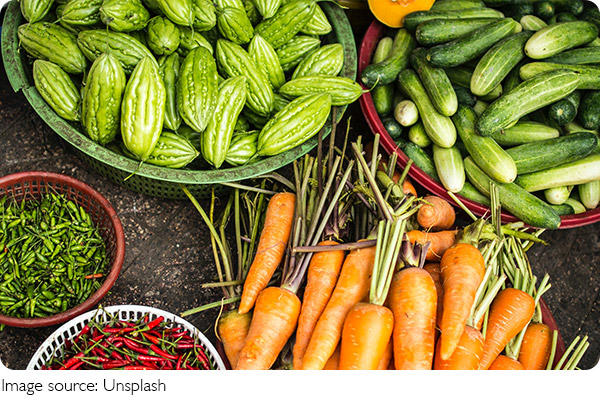
Farmers’ markets are often associated with premium prices, while supermarkets are commonly viewed as the more affordable choice. However, the difference between the two shopping options is not always as large as expected. For shoppers who understand seasonal availability and compare individual products, local markets can offer competitive prices alongside access to freshly harvested produce.
Price Differences Depend on the Produce
The assumption that farmers’ markets are consistently more expensive than supermarkets does not reflect every shopping experience. Prices vary according to location, season, product type, growing methods, and the availability of particular fruits and vegetables.
A 2022 study published in Nutrients compared produce prices at 11 farmers’ markets and seven nearby supermarkets in California. The researchers found that farmers’ markets generally offered lower prices for organic fruits and vegetables, while conventionally grown produce tended to cost more at farmers’ markets.
The study also calculated the cost of a weekly fruit and vegetable basket for a hypothetical family of three. A basket containing a mixture of conventional and organic produce cost $61.49 at farmers’ markets, compared with $57.81 at supermarkets. However, an entirely organic basket cost $61.97 at farmers’ markets and $78.31 at supermarkets.
The findings demonstrate why shopping decisions should consider the type of produce being purchased rather than relying on general assumptions about which outlet is cheaper.
Freshness and Seasonal Availability
One advantage of farmers’ markets is the opportunity to purchase produce grown within the surrounding region. Food sold directly by growers may spend less time moving through distribution and storage systems, depending on harvesting and handling practices.
Seasonality also plays an important role. Fruits and vegetables harvested during their natural growing periods are often more readily available, which can influence their prices and quality. When supply is plentiful, certain products may become more affordable. Supermarkets, meanwhile, offer a broader selection throughout the year because their supply networks can source produce from different regions. This convenience is particularly useful when seasonal products are unavailable locally.
Neither shopping channel guarantees superior freshness. Harvest timing, storage conditions, transportation, and handling all affect the quality of produce before it reaches the kitchen.
How Farmers’ Markets Can Support Healthier Eating
Access to fresh fruits and vegetables is an important part of maintaining a balanced diet. Farmers’ markets can make seasonal produce more visible and provide opportunities to try varieties that may not be purchased regularly. Another advantage is direct interaction with growers. Shoppers can ask questions about harvesting, cultivation methods, storage, and preparation. Such conversations can make unfamiliar ingredients easier to incorporate into everyday meals.
The health benefits come primarily from the foods selected and consumed, rather than simply from the location where they are purchased. Fresh produce from a supermarket can contribute to a nutritious diet just as produce from a farmers’ market can. What matters most is obtaining a varied selection of fruits and vegetables and including them regularly in meals.
Shopping Habits Can Improve Grocery Value
Getting good value from either shopping option requires some planning. Comparing prices by weight, checking seasonal availability, and purchasing quantities that can be used before spoilage are practical ways to manage grocery spending. At farmers’ markets, comparing several vendors before making purchases can reveal differences in price and quality. Buying produce that is abundant during the current season may also provide better value.
Supermarkets can be useful for products that are unavailable locally, household staples, and items offered through promotions. Combining both shopping options can provide flexibility without requiring all grocery purchases to come from a single location.
Expert Insight
Adante Hart, MPH, RDN, a registered dietitian and nutrition educator, discussed the changing price relationship between farmers’ markets and grocery stores in an interview with CNBC. He stated: “The gap between the price you'd see at a farmer's market and grocery store is getting smaller.”
Farmers’ markets and supermarkets each offer practical advantages. Local markets can provide competitive prices for certain organic products, seasonal freshness, and direct access to growers. Supermarkets offer convenience, wider year-round availability, and competitive pricing on many conventional items.
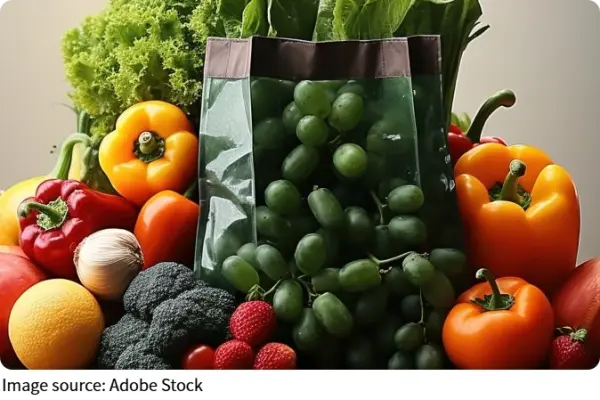
Research shows that the more affordable option depends on the type of produce and the products being compared. A balanced shopping approach can therefore involve using both outlets, selecting seasonal ingredients, and evaluating quality alongside cost. Ultimately, better grocery value comes from making informed purchasing decisions while maintaining a varied and nutritious diet.