Wheat Market Swings

Rafael
| 20-11-2026
 · News team
Wheat is one of the most widely traded agricultural commodities, serving as an essential ingredient in food production and several other industries. It is used to manufacture bread, pasta, flour-based products, and processed foods, while certain varieties also contribute to animal feed and industrial applications.
Despite its importance, wheat prices can change considerably over relatively short periods. Unlike manufactured goods, agricultural production depends on natural conditions, seasonal growing cycles, and the availability of essential farming resources. At the same time, international demand and currency movements influence how wheat is purchased and sold across different markets.
Weather Conditions Influence Agricultural Production
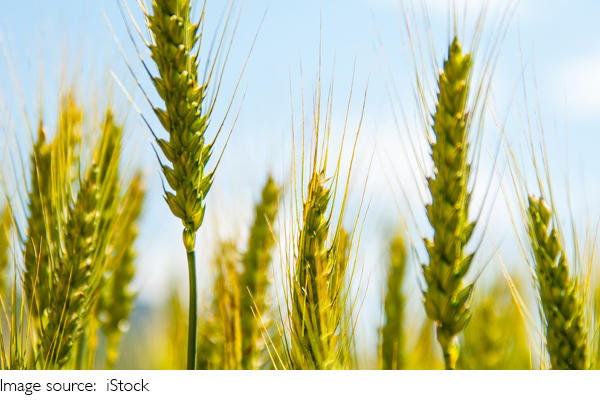
Weather is one of the most important influences on wheat supply. Successful cultivation requires suitable growing conditions, sufficient moisture, and temperatures that support healthy crop development. Drought can reduce soil moisture and restrict plant growth, potentially lowering the amount of wheat harvested.
Excessive rainfall and flooding can damage crops, interfere with harvesting activities, and affect grain quality. Heatwaves may also reduce yields when high temperatures occur during sensitive stages of plant development.
Because wheat production depends on conditions across large agricultural areas, unfavorable weather in important growing regions can reduce the quantity available for international markets. When harvest expectations weaken, buyers may become more concerned about future availability, contributing to upward price pressure.
Currency Movements Affect International Wheat Prices
Wheat is traded internationally, making exchange rates an important part of commodity pricing. Changes in currency values can influence the purchasing power of importing countries and the competitiveness of exporting businesses. When a country's currency loses value against the US dollar, imported wheat can become more expensive in local currency terms. This may increase costs for flour manufacturers, food processors, and other businesses that depend on imported grain.
A stronger local currency can have the opposite effect by making international purchases more affordable. Currency fluctuations can therefore create differences between global benchmark prices and the actual costs experienced by buyers in individual markets.
Fertilizer, Fuel, and Transportation Costs Affect Supply
Wheat production requires several important inputs, including fertilizer, agricultural machinery, fuel, and transportation services. Changes in these expenses can influence farming costs and the amount of wheat producers can supply profitably. Fertilizer supports crop development by providing essential nutrients. When fertilizer prices rise, farmers face higher operating expenses and may need to reconsider how much to apply or how much land to cultivate.
Fuel is equally important throughout the production and distribution process. Agricultural machinery depends on energy to prepare fields, plant seeds, and harvest crops. Transportation is then required to move grain from farms to storage facilities, processing businesses, and distribution markets.
Higher costs across these stages can increase the overall expense of bringing wheat to market. As production and distribution become more expensive, pressure can develop throughout the agricultural supply chain.
Global Demand Comes From Several Industries
Wheat demand extends beyond household food consumption. Food manufacturers rely on it to produce flour, bread, pasta, baked goods, and numerous processed products. The agricultural sector also uses certain types of wheat as animal feed, while industrial applications provide additional sources of demand.
Changes in consumption across these industries can influence the amount of wheat required in international markets. For example, stronger demand from food manufacturers or feed producers can increase competition for available supplies. Because wheat serves several different purposes, changes in one sector can affect the broader market. Demand conditions therefore remain an important consideration alongside agricultural production and input costs.
Small Disruptions Can Create Significant Price Movements
Wheat is among the most actively traded agricultural commodities worldwide. Its international market connects producers, exporters, importers, food manufacturers, and other commercial buyers. This extensive trading network means that changes in supply or demand in one part of the market can influence prices elsewhere. Even relatively small disruptions may become noticeable when they affect the availability of grain or the ability of buyers to obtain supplies.
The combination of weather-related production problems, higher operating expenses, currency changes, and shifting consumption can create additional uncertainty. Since these factors can occur simultaneously, their combined effects may produce substantial price movements.
Expert Insight
A 2025 study by agricultural economists Daniele Valenti, Danilo Bertoni, Daniele Cavicchioli, and Alessandro Olper examined the forces behind global wheat price movements. The researchers reported: “consumption demand shocks explain nearly 70 per cent of price fluctuations, while supply shocks account for 20 per cent”
Wheat prices fluctuate because international agricultural markets are influenced by several interconnected factors. Weather conditions affect harvest volumes, currency movements change the cost of international purchases, and fertilizer, fuel, and transportation expenses influence production costs.

Understanding these factors helps explain why wheat prices rarely remain constant and why developments in agricultural production, operating expenses, exchange rates, and consumption patterns deserve close attention.