Gold's Lasting Value!

Sofia Alvarez
| 20-11-2026
 · News team
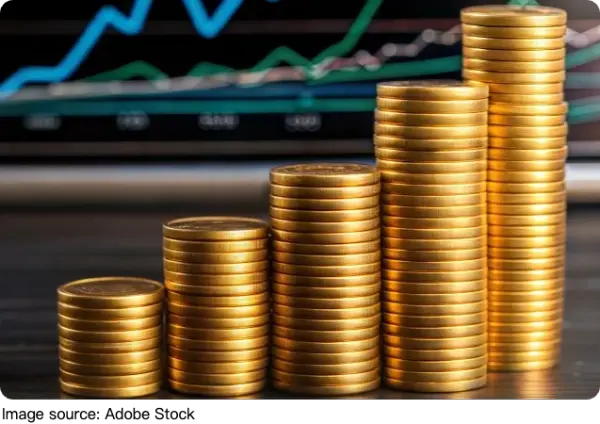
Gold has been valued by human societies for thousands of years. Ancient civilizations used it to produce ornaments, ceremonial objects, and valuable possessions. Its distinctive appearance and limited availability made it an important symbol of wealth, authority, and social status.
Gold also became useful in early monetary systems. Its ability to retain its physical condition over long periods made it suitable for storing wealth and producing coins. Gold coins circulated in ancient economies, while later monetary systems linked currencies directly or indirectly to the metal.
Physical Properties That Make Gold Special
Gold has several chemical and physical characteristics that distinguish it from many other metals. It is highly resistant to corrosion and does not rust or tarnish easily when exposed to air and moisture. This durability allows gold objects to retain their appearance for exceptionally long periods.
Its malleability is another important advantage. Gold can be shaped, hammered, and drawn into extremely thin sheets or fine wires without breaking easily. These properties make it useful for jewellery manufacturing, decorative applications, and specialized industrial components.
Scarcity and Limited Natural Supply
Gold is valuable partly because extracting it requires substantial time, technology, and investment. Deposits are unevenly distributed throughout the Earth's crust, and economically viable mining operations depend on geological conditions, production costs, and available infrastructure.
Unlike manufactured materials, gold cannot be produced simply by increasing industrial output. New supply depends primarily on mining and the recovery of previously mined metal through recycling. Scarcity alone does not determine its market price, however. Demand from jewellery manufacturers, investors, technology companies, and central banks also influences how gold is valued. Its limited supply becomes particularly important because demand comes from several different sectors.
Recognition Across International Markets
Gold has broad international acceptance. Physical bullion and investment coins can be traded through established markets, provided they meet recognized requirements for weight and purity. This international recognition contributes to gold's liquidity. Investors can access the metal through physical purchases, exchange-traded funds, and other financial instruments.
A Potential Hedge Against Economic Uncertainty
Gold is often considered a defensive asset because demand can increase when confidence in financial markets weakens. Concerns about inflation, declining purchasing power, financial instability, and changes in interest rates can influence investor interest. Its relationship with inflation requires careful interpretation. Gold does not automatically rise whenever consumer prices increase.
Central Bank Reserves and Investment Accessibility
Central banks maintain gold holdings alongside other reserve assets. Such holdings can help diversify official reserves and provide an asset that does not depend on another institution's promise to repay a financial obligation. For individual investors, gold is available through several ownership methods. Physical coins provide direct ownership, although secure storage and insurance may create additional costs.
Technology, Jewellery, and Cultural Demand
Gold's usefulness extends well beyond financial markets. Its conductivity and resistance to corrosion make it valuable in electronics, while specialized applications include dentistry and certain medical and aerospace components. Jewellery remains another major source of demand. Gold's colour, durability, and ability to be crafted into different designs have made it popular for personal accessories and decorative objects.
What Influences Gold Prices?
Gold prices respond to several connected market forces:
Economic conditions: Slower growth and financial uncertainty can increase interest in defensive assets.
Inflation and real interest rates: Changes in purchasing power and the return available from interest-bearing investments can influence demand.
Currency movements: Because gold is commonly quoted in US dollars, changes in the dollar's strength can affect its international price.
Supply and demand: Mining output, recycling, jewellery consumption, technology demand, and investment activity all influence market balance.
Central bank activity: Changes in official gold holdings can affect overall market demand.
Investor sentiment: Expectations about future economic conditions can influence buying and selling decisions.
Expert Insight
Economist Robert Mundell, who received the Nobel Memorial Prize in Economic Sciences in 1999, offered a perspective on the role of collective confidence in gold's value. His observation is quoted in an International Monetary Fund analysis: “the trust we place in its uselessness.”
Gold's lasting value comes from a combination of natural scarcity, physical durability, international recognition, cultural significance, and financial demand. Understanding its supply, demand, financial characteristics, and different ownership methods provides a more balanced perspective on why this precious metal continues to hold an important place in modern markets.