Secondhand Shopping

Malcolm
| 20-11-2026
 · News team
Secondhand shopping has moved beyond its traditional image as a way to purchase inexpensive clothing. Thrift stores, online resale marketplaces, and luxury consignment platforms are attracting a wider range of consumers, including shoppers who previously preferred buying new products.
The shift reflects changing attitudes toward value, personal style, and the environmental impact of clothing production. What was once considered a niche shopping habit is becoming an established part of the retail market. Consumers are increasingly treating pre-owned clothing as a practical alternative, while resale businesses are building more sophisticated platforms to meet growing demand.
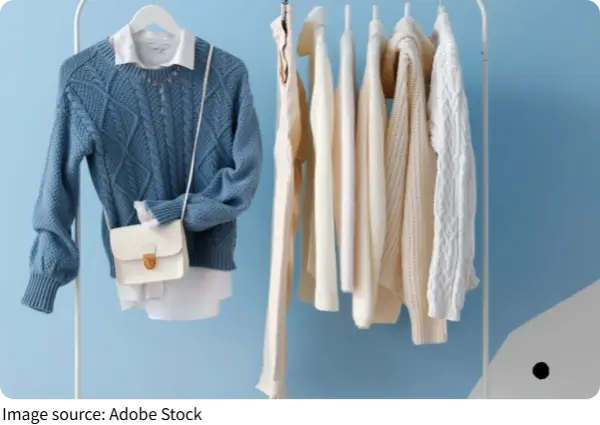
Thrift Shopping Attracts a Wider Audience
Thrift stores have gained attention as shoppers look for ways to manage clothing expenses without sacrificing variety. Inflation and rising retail prices have encouraged consumers to compare the cost of new items with secondhand alternatives. However, affordability is only part of the appeal.
Shopping in thrift stores offers an experience that differs from conventional retail. Rather than browsing collections arranged around current fashion seasons, customers may encounter older designs, unusual pieces, and items that are no longer widely available. This unpredictability creates an element of personal discovery and makes individual purchases feel less standardized.
Research cited in 2025 showed that thrift-store visits had increased by 40% compared with the second quarter of 2019. During the same period, conventional clothing-store visits recorded a smaller increase of 9.5%. The difference suggests that secondhand retail has gained momentum beyond temporary interest in lower-priced shopping.
Online Resale Makes Pre-Owned Fashion More Accessible
Digital marketplaces have removed some of the practical barriers associated with secondhand shopping. Instead of visiting multiple physical stores, customers can browse listings, compare conditions, review photographs, and search for specific brands or clothing categories from a single platform.
Platforms such as ThredUp and The RealReal have helped establish different segments of the resale market. Some focus on everyday clothing and accessories, while others specialize in authenticated luxury products.
A consumer survey involving 3,000 American adults found that 56% of secondhand apparel shoppers also used online resale marketplaces. The same research reported that 58% of consumers purchased secondhand clothing in 2024, six percentage points higher than in 2023.
The convenience of digital shopping is important, but trust remains essential. Accurate product descriptions, clear photographs, reliable seller information, authentication procedures, and transparent return policies can influence whether customers feel comfortable purchasing pre-owned items online.
Luxury Resale Changes the Value of Fashion
Secondhand shopping is not limited to budget-conscious consumers. Luxury resale has developed into a significant market for customers seeking established designer products at prices below their original retail value. Higher prices in the primary luxury market have encouraged some affluent shoppers to reconsider how much value a new purchase provides. Pre-owned marketplaces offer another route to acquiring sought-after handbags, clothing, and accessories without paying the full original retail price.
Personal Style and Sustainability Support the Trend
The growing popularity of secondhand fashion also reflects changing consumer priorities. Many shoppers want clothing that feels distinctive rather than following the same collections widely available in conventional stores. Older designs, limited-production pieces, and unusual combinations can provide more opportunities for individual expression.
Environmental considerations provide another reason to purchase pre-owned clothing. Extending the useful life of garments can reduce the need for some new purchases and help prevent wearable items from being discarded prematurely. The environmental benefits depend on how secondhand shopping affects overall consumption.
Resale Businesses Build a Larger Retail Economy
The expansion of secondhand shopping has created opportunities for resale companies, consignment businesses, and retailers interested in trade-in programmes. The U.S. secondhand apparel market increased from approximately $28 billion in 2019 to $49 billion in 2024. It was projected to reach $74 billion by 2029, while online resale alone was expected to approach $40 billion over the same period.
Expert Insight
Elizabeth Lafontaine, Director of Research at Placer.ai, explained why thrift shopping is attracting consumers from different income groups: “Consumers of all backgrounds, even those coming from high-income households, are gravitating toward thrift to round out their wardrobes and embrace treasure hunting. Consumers are looking for the right mix of value and selection that traditional retailers typically can’t provide.”
Secondhand shopping is becoming an established part of the fashion retail landscape. Thrift stores attract customers through affordability and variety, online marketplaces make pre-owned products easier to access, and luxury resale gives shoppers another way to purchase sought-after designer items.
The market's expansion also reflects changing expectations around product value, personal style, and clothing reuse. As resale businesses improve authentication, inventory management, and customer experience, secondhand retail is positioned to play a larger role in the future of fashion.