Skyscrapers & Finance

Antonio
| 20-11-2026
 · News team
Skyscrapers have become important features of modern cities, serving purposes that extend far beyond providing additional floor space. These large developments accommodate businesses, residents, hotels, shopping facilities, and entertainment venues while creating investment opportunities and supporting local economic activity.
As urban populations grow and demand for centrally located properties increases, high-rise developments offer ways to use limited land more efficiently. Their financial importance comes from the activities they support, the employment they generate, and their ability to attract businesses, visitors, and long-term investment.
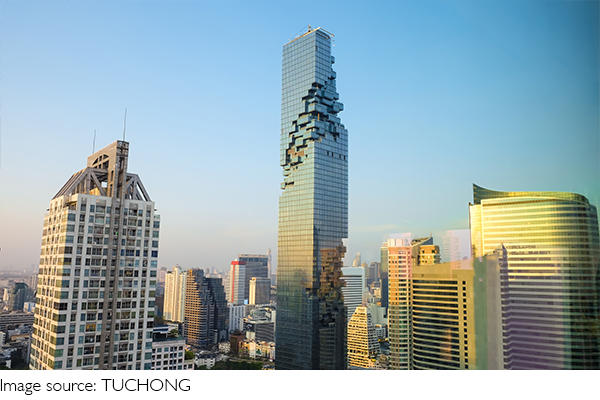
Commercial Towers Strengthen Business Districts
Commercial skyscrapers provide office space for companies, financial institutions, retailers, and professional service providers. Their locations within major business districts make it easier for organizations to maintain connections with clients, employees, and other businesses.
Concentrating workplaces in one area can also support surrounding restaurants, shops, transportation services, and other commercial activities. This creates economic relationships between office buildings and nearby businesses. The Empire State Building in New York and Canary Wharf in London illustrate how major commercial developments can contribute to the identity and activity of established business districts.
Residential Towers Support Urban Housing Demand
Residential skyscrapers provide housing in areas where available land is limited and demand for convenient locations is high. Their designs can accommodate different household needs, ranging from compact apartments to larger condominiums. Higher residential density can support nearby businesses by increasing the number of potential customers within walking distance. Grocery stores, cafes, and other neighborhood services benefit from a larger concentration of residents.
Hotel Towers Generate Tourism and Business Revenue
Hotel skyscrapers combine accommodation with restaurants, conference facilities, and recreational services. Their ability to serve both business travelers and tourists creates several sources of revenue within one property. The Burj Al Arab in Dubai and Marina Bay Sands in Singapore demonstrate how distinctive hotel developments can become major visitor attractions.
Beyond room bookings, hotel operations support employment in hospitality, food services, maintenance, and event management. Conferences, exhibitions, and private functions also generate additional spending on transportation, dining, and nearby businesses.
Mixed-Use Developments Combine Multiple Revenue Sources
Mixed-use skyscrapers integrate residential, commercial, retail, and recreational facilities within a single development. This arrangement allows people to live, work, shop, and enjoy leisure activities in close proximity. Retail spaces are frequently positioned on lower floors, while offices and residential units occupy higher levels. This creates opportunities for businesses to serve residents, employees, and visitors throughout the day.
Landmark Buildings Increase a City's Commercial Appeal
Some skyscrapers become recognizable symbols of the cities where they stand. Their architectural designs can attract visitors while strengthening a city's identity as a destination for business and tourism. The Shanghai Tower is an example of a landmark development that combines office accommodation with visitor attractions, including an observation deck.
Such buildings can contribute to the surrounding economy through tourism, commercial activity, and increased interest in nearby developments. However, their financial success depends on operating performance, visitor demand, and the ability to maintain long-term commercial relevance.
Expert Insight
According to the World Green Building Council's research on the financial benefits of sustainable buildings: "Green buildings have been shown to save money through reduced energy and water consumption and lower long-term operations and maintenance costs."
Sustainable Skyscrapers Improve Long-Term Efficiency
Green skyscrapers incorporate energy-efficient systems, environmentally responsible materials, and designs that reduce resource consumption. Features may include efficient lighting, improved insulation, water-saving equipment, and renewable energy installations. Bosco Verticale in Milan demonstrates how vegetation can be incorporated into high-rise architecture through planted balconies and vertical gardens.
Observation Towers and Historic Buildings Create Additional Value
Observation skyscrapers generate revenue by offering visitors elevated views and distinctive experiences. The CN Tower in Toronto and Tokyo Skytree attract visitors through observation facilities and related tourism services. Historic skyscrapers provide a different form of value. Their architectural character and cultural importance can make them attractive locations for businesses, visitors, and commercial redevelopment.
Supertall and Connected Towers Expand Urban Possibilities
Supertall skyscrapers, defined as buildings exceeding 300 meters in height, represent substantial engineering and financial undertakings. Projects of this scale require considerable capital, specialized construction methods, and long-term planning. The Jeddah Tower in Saudi Arabia is an example of an ambitious development designed to exceed existing height records.
Skyscrapers contribute to urban economies through commercial activity, housing, tourism, retail services, and employment. Different building types serve different financial purposes, while mixed-use and sustainable developments offer additional opportunities to improve land utilization and operating efficiency.
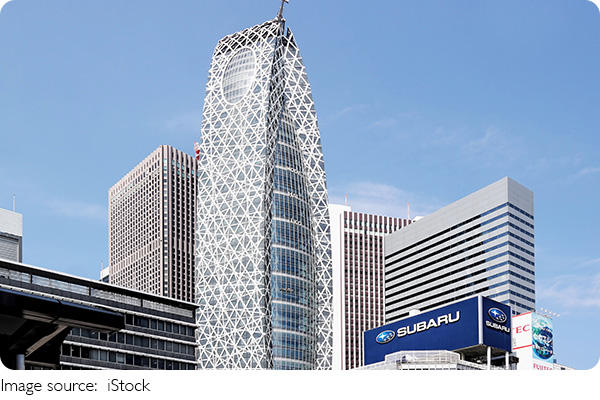
Their long-term success depends on more than architectural scale. Occupancy, maintenance, operating costs, accessibility, and demand for surrounding services all influence financial performance. When supported by careful planning and appropriate investment, skyscrapers can become valuable components of growi